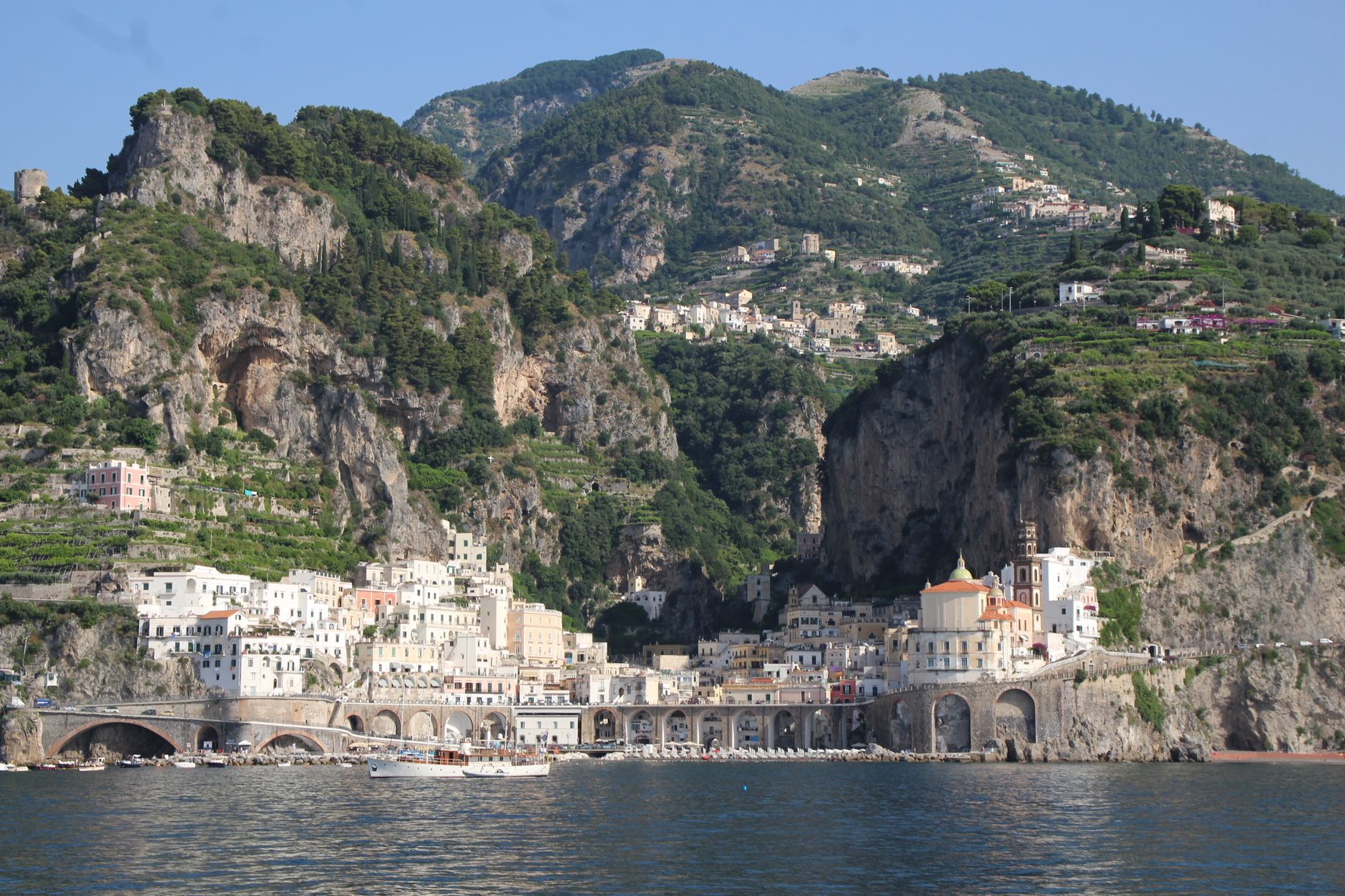
Photo Highlights
4 photosPlan with Nomads Wanderer
Planning Italy?
Skip the guesswork — talk to Nomads Wanderer for packages, visas, and custom itineraries.
1Why This Guide Matters Right Now
Travel demand for Italy has grown quickly, but most online articles are either outdated or too generic for Indian travelers. This guide is intentionally practical: it combines planning logic, realistic budgets, on-ground execution tips, and common mistakes to avoid. If you are trying to make decisions around dates, flight strategy, visa timing, stay location, and experience quality, this structure helps you move from confusion to a clear booking-ready plan.
You can use this as a do-it-yourself blueprint, or use it as a brief for a customized itinerary from NomadsWanderer. The idea is simple: maximize experience value without wasting money, leave room for flexibility, and avoid last-minute surprises that usually cause stress.

2Who This Trip Is Perfect For
This destination works especially well for couples, families, small groups, and first-time international travelers who want a balanced trip with comfort, discovery, and manageable logistics. The smartest approach is to define your non-negotiables first, then optimize everything else around them. For example, if comfort and convenience are the top priority, spend a little more on location and airport transfers, and save on optional activities that do not align with your interests.
For Italy, a practical planning framework includes: demand season mapping, inventory risk assessment, and day-wise energy balancing. Many itineraries fail because travelers pack too many transitions in too few days. A better model is to cluster experiences by geography and keep at least one buffer slot every two days for weather shifts, fatigue, or spontaneous exploration.
If you are traveling from India, also account for currency behavior, card acceptance patterns, mobile data setup, and local app dependencies before departure. These small decisions create outsized comfort during the trip. Travelers who prepare these details in advance usually report better satisfaction and fewer avoidable expenses.

Plan with Nomads Wanderer
Love Italy?
Call, WhatsApp, or email us to get a tailored package and live availability.
3Best Time to Visit
For most travelers, the ideal window depends on weather comfort, crowd levels, and price behavior. In Italy, shoulder-season planning usually gives the best value-to-experience ratio. The smartest approach is to define your non-negotiables first, then optimize everything else around them. For example, if comfort and convenience are the top priority, spend a little more on location and airport transfers, and save on optional activities that do not align with your interests.
For Italy, a practical planning framework includes: demand season mapping, inventory risk assessment, and day-wise energy balancing. Many itineraries fail because travelers pack too many transitions in too few days. A better model is to cluster experiences by geography and keep at least one buffer slot every two days for weather shifts, fatigue, or spontaneous exploration.
If you are traveling from India, also account for currency behavior, card acceptance patterns, mobile data setup, and local app dependencies before departure. These small decisions create outsized comfort during the trip. Travelers who prepare these details in advance usually report better satisfaction and fewer avoidable expenses.

4Visa, Documentation, and Entry Planning
Indian travelers should verify current visa rules before booking non-refundable components. Keep buffers for processing time, document review, and immigration contingencies. The smartest approach is to define your non-negotiables first, then optimize everything else around them. For example, if comfort and convenience are the top priority, spend a little more on location and airport transfers, and save on optional activities that do not align with your interests.
For Italy, a practical planning framework includes: demand season mapping, inventory risk assessment, and day-wise energy balancing. Many itineraries fail because travelers pack too many transitions in too few days. A better model is to cluster experiences by geography and keep at least one buffer slot every two days for weather shifts, fatigue, or spontaneous exploration.
If you are traveling from India, also account for currency behavior, card acceptance patterns, mobile data setup, and local app dependencies before departure. These small decisions create outsized comfort during the trip. Travelers who prepare these details in advance usually report better satisfaction and fewer avoidable expenses.

Plan with Nomads Wanderer
Love Italy?
Call, WhatsApp, or email us to get a tailored package and live availability.
5Flights and Route Strategy from India
Use fare alerts and multi-city checks before finalizing. Early-morning arrivals usually improve day utilization, while late-night arrivals can reduce transfer costs in some itineraries. The smartest approach is to define your non-negotiables first, then optimize everything else around them. For example, if comfort and convenience are the top priority, spend a little more on location and airport transfers, and save on optional activities that do not align with your interests.
For Italy, a practical planning framework includes: demand season mapping, inventory risk assessment, and day-wise energy balancing. Many itineraries fail because travelers pack too many transitions in too few days. A better model is to cluster experiences by geography and keep at least one buffer slot every two days for weather shifts, fatigue, or spontaneous exploration.
If you are traveling from India, also account for currency behavior, card acceptance patterns, mobile data setup, and local app dependencies before departure. These small decisions create outsized comfort during the trip. Travelers who prepare these details in advance usually report better satisfaction and fewer avoidable expenses.
6Where to Stay by Budget Tier
Choose stay zones based on trip style: sightseeing-first, relaxation-first, food-first, or nightlife-first. A slightly better location can save daily transfer time and cost. The smartest approach is to define your non-negotiables first, then optimize everything else around them. For example, if comfort and convenience are the top priority, spend a little more on location and airport transfers, and save on optional activities that do not align with your interests.
For Italy, a practical planning framework includes: demand season mapping, inventory risk assessment, and day-wise energy balancing. Many itineraries fail because travelers pack too many transitions in too few days. A better model is to cluster experiences by geography and keep at least one buffer slot every two days for weather shifts, fatigue, or spontaneous exploration.
If you are traveling from India, also account for currency behavior, card acceptance patterns, mobile data setup, and local app dependencies before departure. These small decisions create outsized comfort during the trip. Travelers who prepare these details in advance usually report better satisfaction and fewer avoidable expenses.
Plan with Nomads Wanderer
Love Italy?
Call, WhatsApp, or email us to get a tailored package and live availability.
7Local Transport and Daily Movement
A reliable transfer strategy can make or break the pace of your trip. Plan airport transfers, intra-city movement, and day-tour connectivity in advance. The smartest approach is to define your non-negotiables first, then optimize everything else around them. For example, if comfort and convenience are the top priority, spend a little more on location and airport transfers, and save on optional activities that do not align with your interests.
For Italy, a practical planning framework includes: demand season mapping, inventory risk assessment, and day-wise energy balancing. Many itineraries fail because travelers pack too many transitions in too few days. A better model is to cluster experiences by geography and keep at least one buffer slot every two days for weather shifts, fatigue, or spontaneous exploration.
If you are traveling from India, also account for currency behavior, card acceptance patterns, mobile data setup, and local app dependencies before departure. These small decisions create outsized comfort during the trip. Travelers who prepare these details in advance usually report better satisfaction and fewer avoidable expenses.
8Food, Culture, and Experience Selection
Prioritize signature local experiences and avoid overstuffing your schedule. Two high-quality experiences often create better memories than six rushed checkpoints. The smartest approach is to define your non-negotiables first, then optimize everything else around them. For example, if comfort and convenience are the top priority, spend a little more on location and airport transfers, and save on optional activities that do not align with your interests.
For Italy, a practical planning framework includes: demand season mapping, inventory risk assessment, and day-wise energy balancing. Many itineraries fail because travelers pack too many transitions in too few days. A better model is to cluster experiences by geography and keep at least one buffer slot every two days for weather shifts, fatigue, or spontaneous exploration.
If you are traveling from India, also account for currency behavior, card acceptance patterns, mobile data setup, and local app dependencies before departure. These small decisions create outsized comfort during the trip. Travelers who prepare these details in advance usually report better satisfaction and fewer avoidable expenses.
9Safety, Connectivity, and Practical Checklist
Keep digital and physical copies of key documents, maintain emergency contacts, and use an always-on communication backup for smoother on-ground handling. The smartest approach is to define your non-negotiables first, then optimize everything else around them. For example, if comfort and convenience are the top priority, spend a little more on location and airport transfers, and save on optional activities that do not align with your interests.
For Italy, a practical planning framework includes: demand season mapping, inventory risk assessment, and day-wise energy balancing. Many itineraries fail because travelers pack too many transitions in too few days. A better model is to cluster experiences by geography and keep at least one buffer slot every two days for weather shifts, fatigue, or spontaneous exploration.
If you are traveling from India, also account for currency behavior, card acceptance patterns, mobile data setup, and local app dependencies before departure. These small decisions create outsized comfort during the trip. Travelers who prepare these details in advance usually report better satisfaction and fewer avoidable expenses.
10Budget Breakdown (Indicative Per Person in INR)
- Budget Plan: ₹85,000 to ₹1,20,000 (smart stays, efficient transfers, key experiences)
- Mid-Range Plan: ₹1,25,000 to ₹1,90,000 (better hotels, curated activities, improved convenience)
- Premium Plan: ₹2,10,000+ (top-tier stays, private experiences, comfort-first execution)
These ranges vary based on booking window, demand season, and flight volatility. Booking 45-75 days ahead often improves pricing stability for most trip styles.
11Sample 7-Day Itinerary
Day 1: Arrival and Soft Landing
Arrival, hotel check-in, local orientation, and a relaxed evening walk to reset body clock and reduce travel fatigue.
Day 2: Iconic Highlights
Cover top landmarks early, keep afternoon for slower exploration, and reserve evening for a signature local experience.
Day 3: Culture and Food Layer
Focus on cultural neighborhoods, curated food trail, and one experience that connects history with local life.
Day 4: Nature / Adventure Day
Pick one high-value excursion, avoid over-compression, and return with enough time for rest and leisure.
Day 5: Flexible Exploration
Use this day for shopping, optional attractions, or replacing any missed plan due to weather/logistics.
Day 6: Premium Experience Day
Reserve for one memorable premium activity, sunset viewpoint, or private local experience.
Day 7: Wrap-Up and Departure
Light activity window, checkout planning, airport transfer, and return travel.
12💡 Pro Tips
- Keep at least 10-15% budget buffer for dynamic pricing and spontaneous upgrades.
- Choose location over room size if your plan is activity-heavy.
- Pre-book only high-demand experiences; keep low-risk plans flexible.
- Use one planning sheet for flights, hotels, transfers, and ticket confirmations.
- Keep local emergency, embassy, and insurance contacts accessible offline.
13❓ FAQ
Is Italy good for first-time travelers from India?
Yes, with proper visa and transfer planning it can be very smooth and rewarding.
How many days are ideal?
A 6-8 day format usually balances comfort, coverage, and flexibility.
Should I choose package or self-planned travel?
If you value time and risk reduction, curated packages usually perform better for end-to-end coordination.
When should I book flights?
Usually 45-75 days in advance for better fare consistency, depending on seasonality.
Is this destination suitable for family travel?
Yes, if the itinerary includes paced days, shorter transfer windows, and family-friendly stay zones.
How do I reduce avoidable costs?
Plan transport clusters, avoid unnecessary inter-hotel moves, and pre-validate paid experience quality.
14Plan Your Italy Trip with NomadsWanderer
If you want a customized, conversion-ready itinerary with optimized hotels, route logic, visa guidance, and activity curation, NomadsWanderer can build it for you. Share your budget, travel month, and trip style, and we will map the strongest version of this trip for your goals.