Darshan Core
Kedarnath Temple
The central spiritual focus with route timing, weather planning, and high-altitude movement care.
Plan Darshan Day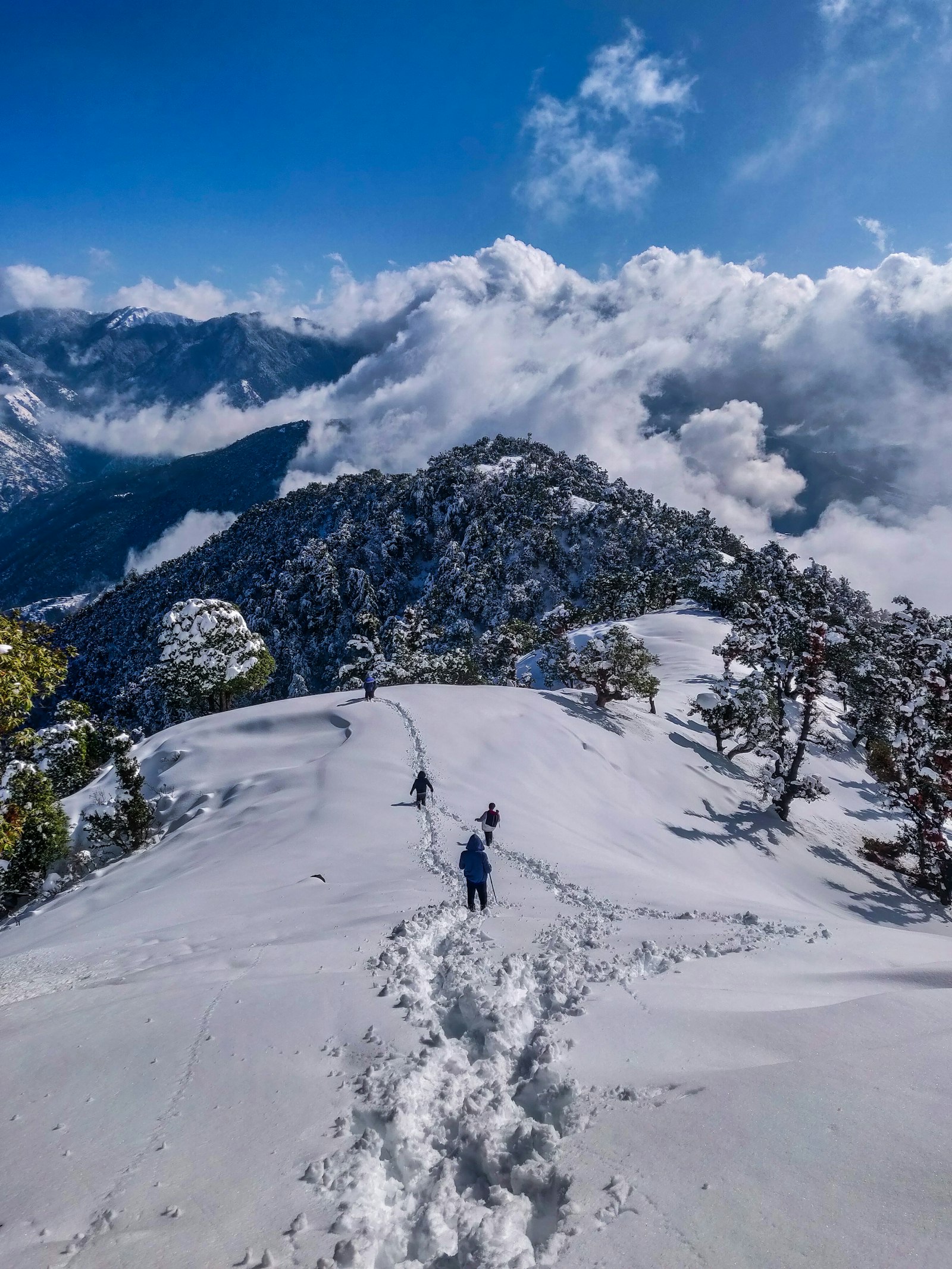
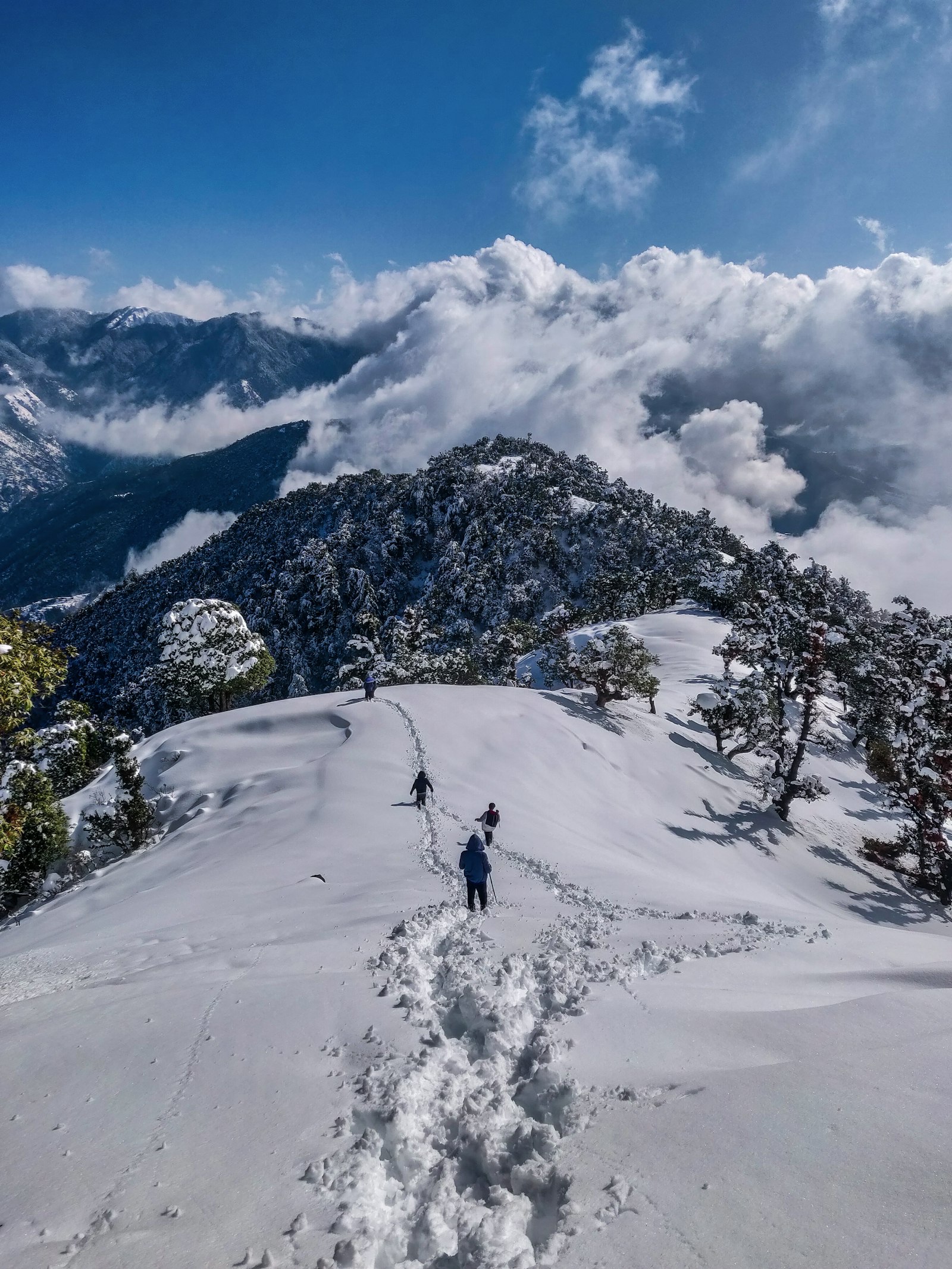
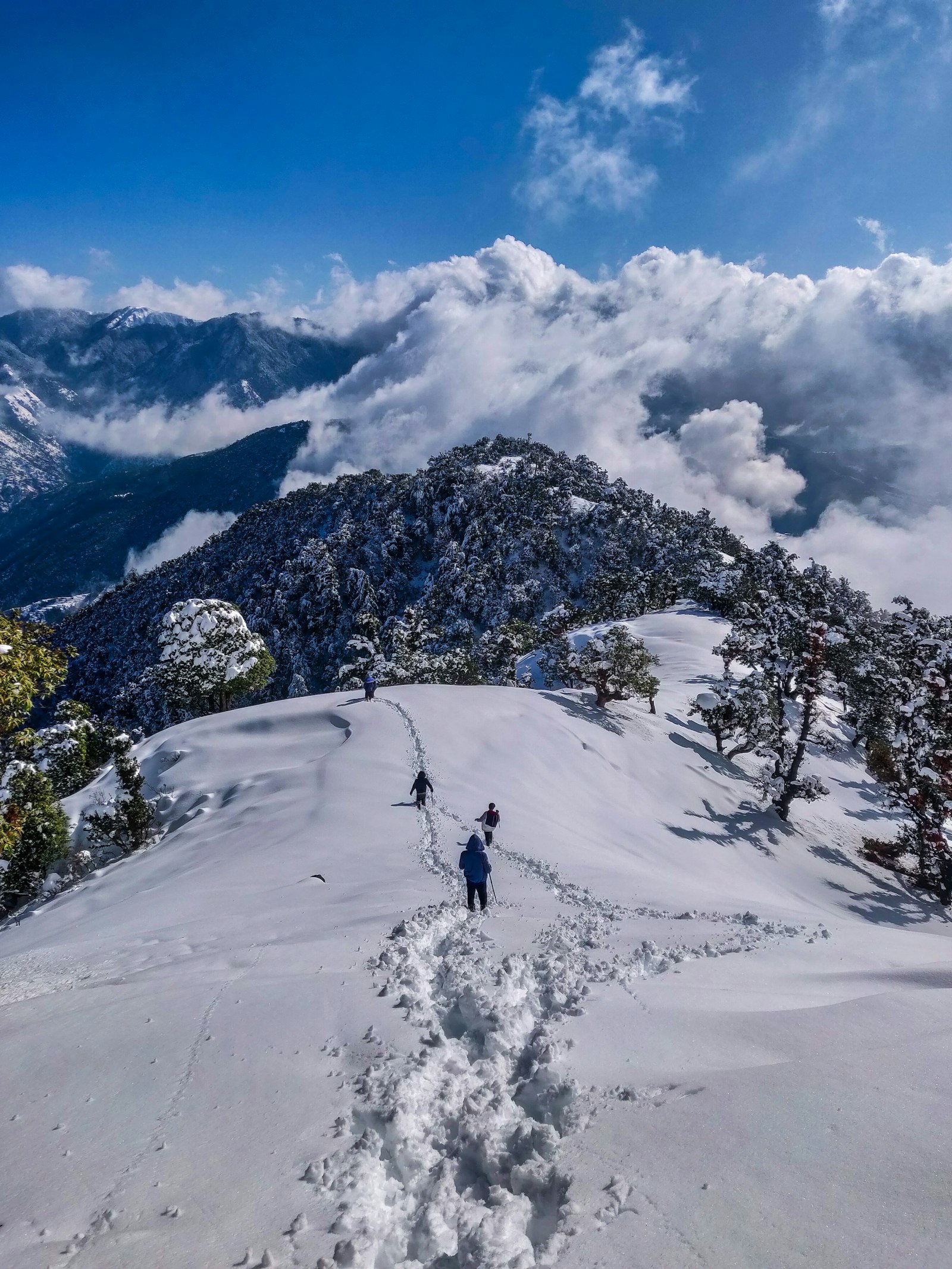
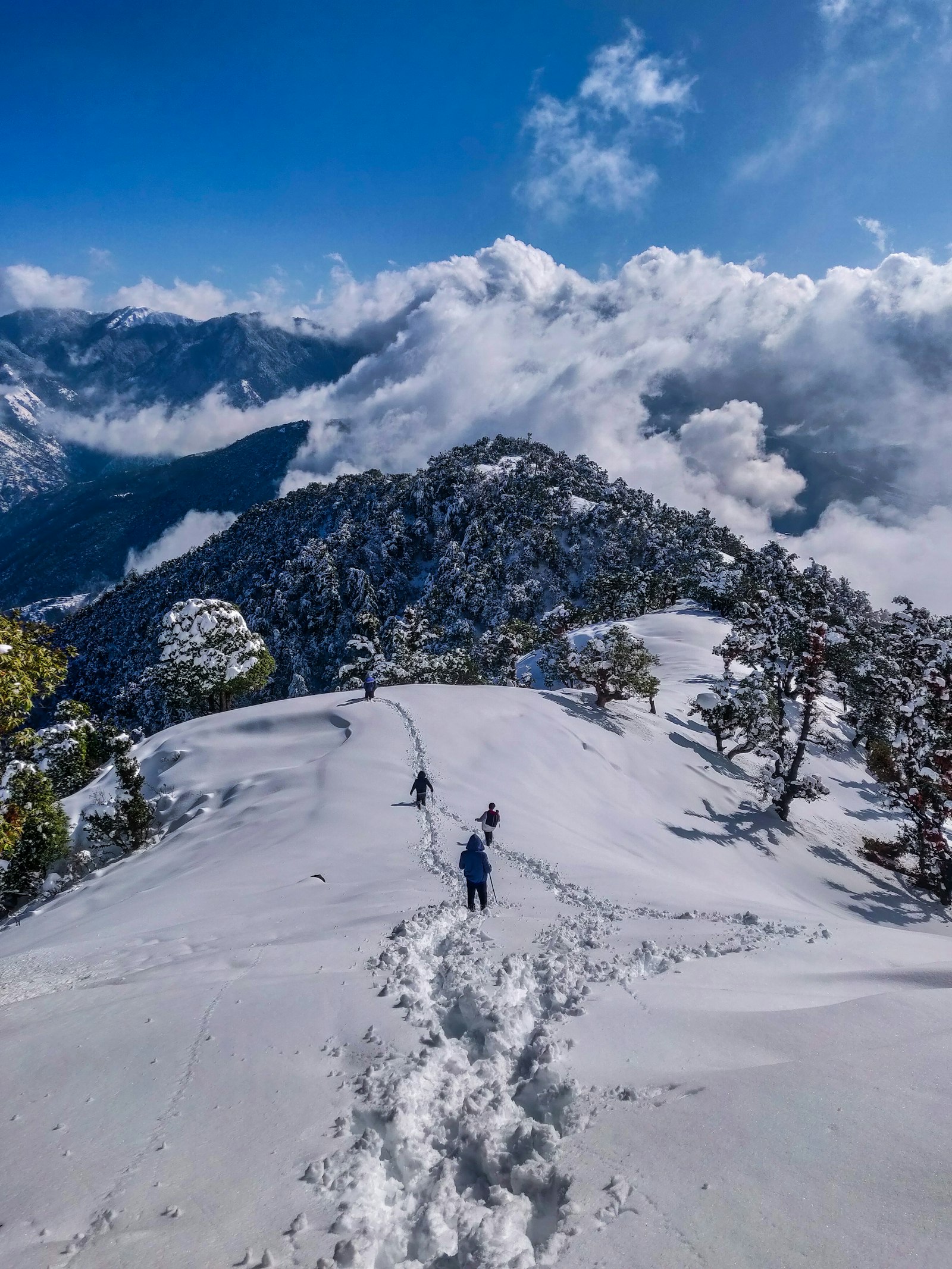
Pilgrimage planning built around darshan timing and comfort.
Practical movement pacing, route support, and weather awareness.
Divine Himalayan Pilgrimage
Pick up, drive to Guptkashi (210 km), hotel check-in
Drive to Gaurikund, trek/helicopter to Kedarnath, temple darshan
Early morning puja, explore surroundings, return to Guptkashi
Drive to Badrinath (190 km), temple visit, evening aarti
Last Indian village visit, Vasundh ara Falls, drive to Rudraprayag
Har Ki Pauri Ganga Aarti, shopping, departure
Sacred Jyotirlinga at 11,755 ft
Vishnu shrine in Char Dham circuit
400 ft waterfall near Badrinath
Last Indian village before Tibet
Kedarnath is best for pilgrims and spiritual travellers who are prepared for mountain conditions, early starts, and a route shaped more by weather and fitness than by standard holiday expectations. It is suitable for families and senior travellers only when the itinerary, support level, and transport choices are aligned to physical comfort. The destination is rewarding, but it is not a casual hill trip. The temple route demands respect for altitude, temperature swings, terrain, and crowd movement during peak yatra windows.
The right Kedarnath plan therefore depends on physical ability, season, and whether the group prefers trekking, pony support, palki arrangements, or helicopter-linked options where available. Good planning matters far more here than fancy hotel framing. Clear logistics and realistic pacing are what make a pilgrimage meaningful and manageable.
May to June and September to October are usually the most practical windows, though weather and temple-opening schedules should always be verified.
Pilgrims and mountain-ready travellers who can handle cold weather, altitude, and early movement with spiritual intent rather than leisure expectations.
Registration, ID documents, medical readiness, suitable footwear, rain protection, and route updates matter more than typical sightseeing planning.
Underestimating fitness, weather volatility, and queue time is the biggest issue. Kedarnath needs respect for terrain and realistic movement planning.
Kedarnath works best when the route is built around health readiness, temple timing, and realistic daily movement. This pattern keeps the pilgrimage meaningful and manageable.
A practical sequence that protects energy for temple access while keeping return logistics and weather contingencies in check.
The central spiritual focus with route timing, weather planning, and high-altitude movement care.
Plan Darshan DayThe primary transition point where trek, pony, or support mode choices must be decided early.
Plan Gaurikund TransferA meaningful extension for pilgrims who want a connected spiritual circuit beyond Kedarnath.
Plan Badrinath DayA culturally rich final stretch that adds depth to the broader Uttarakhand pilgrimage route.
Plan Mana ExcursionA calm route closure with riverfront prayer and practical departure logistics.
Plan Haridwar ClosureMay-Jun, Sep-Oct offers the best weather conditions for sightseeing and outdoor activities.
No visa is required for Indian domestic pilgrimage travel. What matters more is registration, ID proof, physical readiness, and keeping track of official route and weather advisories.
Kedarnath travel uses the Indian Rupee. Carrying sufficient local cash is still important because mountain routes, smaller vendors, and pilgrimage stops may not always support reliable digital payments.
4-5 star hotels with breakfast, selected for comfort and prime locations near major attractions.